
Youth Karate vs. Youth Taekwondo: Which Martial Art Is Right for Your Kid's Team?
TTheGuideTeam · August 5, 2026 · 5 min read
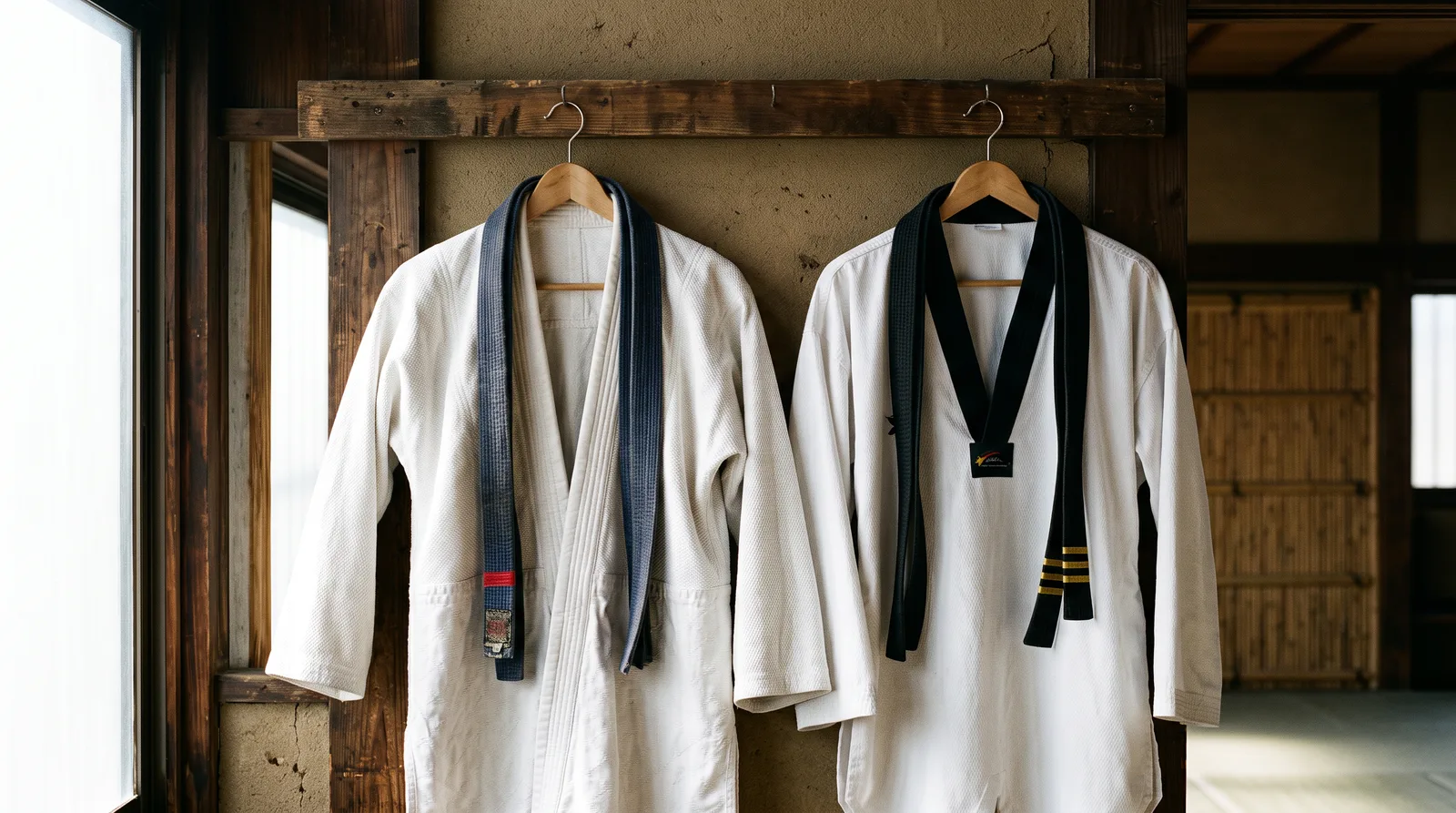
If you've ever watched a group of kids in white uniforms kicking and punching the air, you might have used "karate" and "taekwondo" interchangeably. Most people do. But once you're the one standing at the front of a dojo or gym — or the parent trying to figure out which program to enroll your child in — the differences matter a lot. The right fit depends on your kid's age, temperament, physical strengths, and what you actually want them to get out of the experience.
Let me walk you through the real distinctions so you can make a confident, informed choice.
Where Each Art Comes From (and Why It Matters)
Karate originated in Okinawa, Japan, and spread globally through Japanese martial arts culture. It emphasizes a balanced approach to striking — punches, open-hand strikes, and kicks all carry roughly equal weight. The word itself means "empty hand," and that philosophy shows up in the art's focus on precision, form, and controlled power.
Taekwondo is Korean in origin and became an Olympic sport in 2000. The name roughly translates to "the way of the foot and fist," but in practice, the foot does most of the talking. Taekwondo is known for its spectacular high kicks, spinning kicks, and fast footwork. It rewards athleticism and flexibility in a way that makes it visually exciting — which matters when you're trying to keep a six-year-old engaged.
Neither tradition is better. They're just different tools for different goals.
Technique: Hands vs. Feet
This is the most practical difference for coaches and parents to understand.
Karate trains the whole body as a weapon. Kids learn punching combinations (called kihon), blocks, and a roughly even mix of kicks and hand strikes. Forms practice, called kata, teaches kids to execute precise sequences of movements alone — it's almost meditative, and it rewards focus and memory. For kids who are methodical, detail-oriented, or who struggle with the chaos of sparring, kata can be a real confidence-builder.
Taekwondo is kick-dominant, with roughly 70–80% of scoring in competition coming from kicks. Head-height kicks, spinning back kicks, jump kicks — these are not just allowed, they're the point. Footwork and agility training are central from day one. Kids who are naturally bouncy, love to move, and have decent flexibility tend to take to taekwondo quickly. The physical demands are real, though: hip mobility and balance matter more here than in most other youth sports.
For coaches, this means your warm-up and conditioning priorities look different depending on which art you're teaching. Taekwondo coaches need to build hip flexor mobility and lateral quickness into every session. Karate coaches need to invest time in upper-body mechanics and the kind of stillness that makes a proper stance.
Competition Format: What Your Kids Are Actually Signing Up For
Both arts have competitive tracks, but the formats diverge significantly.
Karate competition typically includes two categories: kata (forms, judged on technique and presentation) and kumite (sparring, where points are awarded for controlled strikes to legal target areas). Kumite in youth karate is usually light-contact or semi-contact, with an emphasis on control. This makes it accessible for younger or more cautious kids who want to compete without the intensity of full-contact sparring.
Taekwondo competition is primarily point-sparring, and at higher levels it's full Olympic-style contact with electronic scoring gear. Youth tournaments are modified for safety — lighter contact, protective equipment, age-divided brackets — but the game is fundamentally about landing kicks on your opponent. For kids who thrive on head-to-head athletic competition, this format is electric. For kids who get anxious in contact situations, it can be overwhelming until they've built confidence over time.
A useful question to ask early: Does this kid want to perform, or do they want to compete? Kata-focused karate programs lean toward performance. Taekwondo sparring leans toward competition. Many programs offer both, but knowing your kid's preference helps you set the right expectations from day one.
Age-Appropriateness: Starting Young
Both arts are genuinely accessible to young children — we're talking as young as age 3 in structured programs — but with some nuance.
For ages 3–5, both arts work well when the coaching is developmentally appropriate. At this age, you're not really teaching martial arts; you're teaching body awareness, listening skills, and how to follow instructions in a group. Short activities, lots of movement, and positive reinforcement matter far more than technical precision. The uniform and the belt system do a lot of heavy lifting here — kids this age love the ritual of it.
For ages 6–10, the technical differences start to matter. Karate's emphasis on upper-body mechanics and forms can work beautifully with kids who are ready to slow down and focus. Taekwondo's kick-heavy approach suits kids who need to burn energy and who respond to visible athletic challenges.
For tweens and teens, both arts offer genuine depth — advanced kata, sparring strategy, leadership through belt rank. This is also where competition gets more serious, and where a coach's understanding of adolescent development becomes just as important as their knowledge of technique.
So Which One Should You Choose?
Here's my honest answer: the quality of the coach matters more than the art. A thoughtful taekwondo instructor who understands child development will build better kids than a technically brilliant karate instructor who coaches like it's a military drill.
That said, as a practical guide:
- Choose karate if your kid is detail-oriented, benefits from structured sequences, or isn't ready for contact sparring.
- Choose taekwondo if your kid is energetic, flexible, and excited by athletic, kick-based movement — or if Olympic-style competition is a long-term goal.
- Choose either if the local program has coaches who prioritize safety, inclusion, and the whole child — because that's what actually keeps kids in the sport long-term.
The art is the vehicle. The coach drives it.
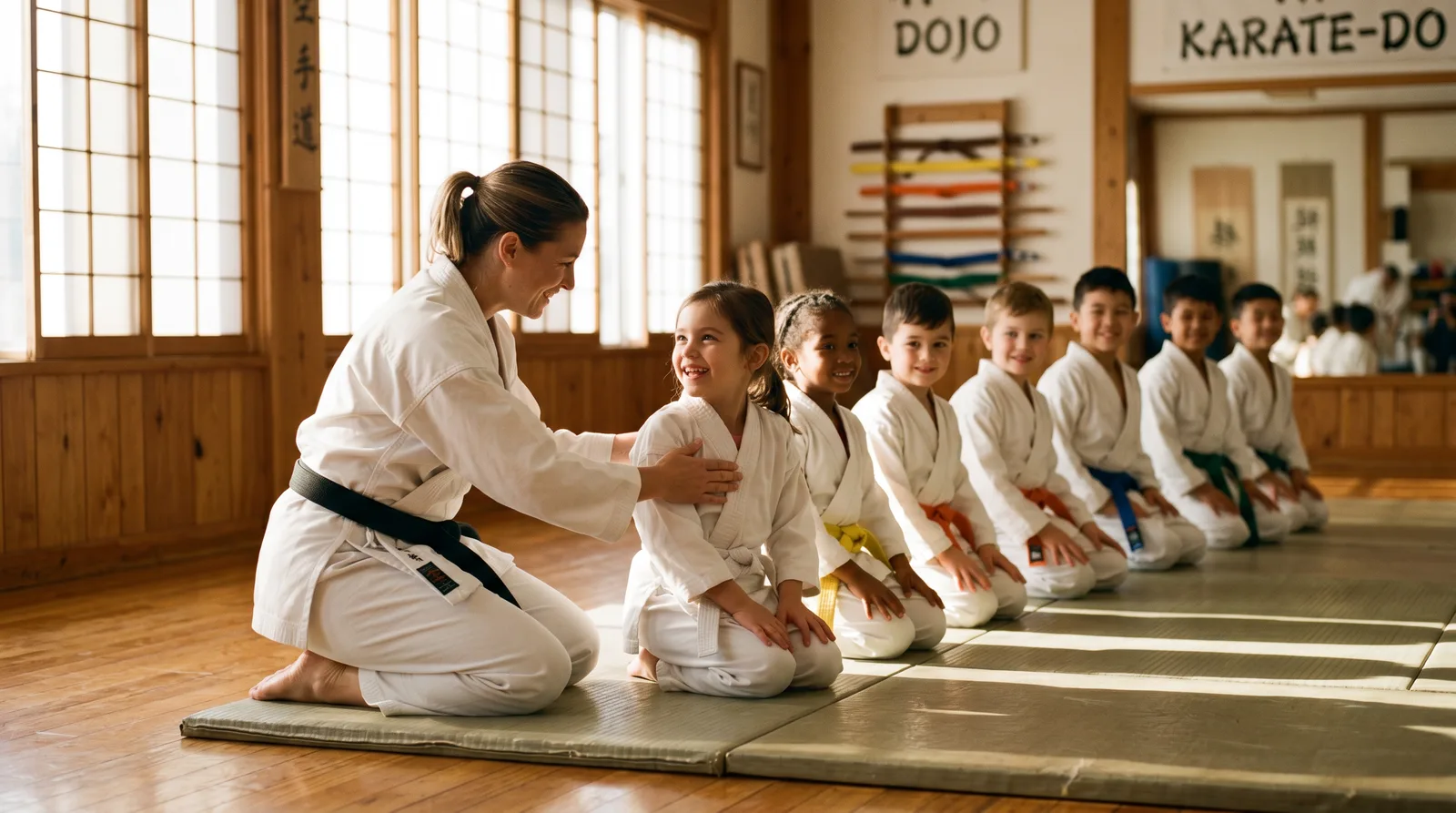
Want to go deeper than a blog post?
Put Me in Coach™ - Youth Karate
A complete coaching playbook for anyone leading youth karate athletes — from first-time volunteers to seasoned instructors — covering technique, safety, child development, and team culture for kids ages 3 through high school.
Start learning — $24.99/mo