
How to Run Your First Youth Chess Practice (When You've Never Coached Before)
TTheGuideTeam · August 5, 2026 · 4 min read
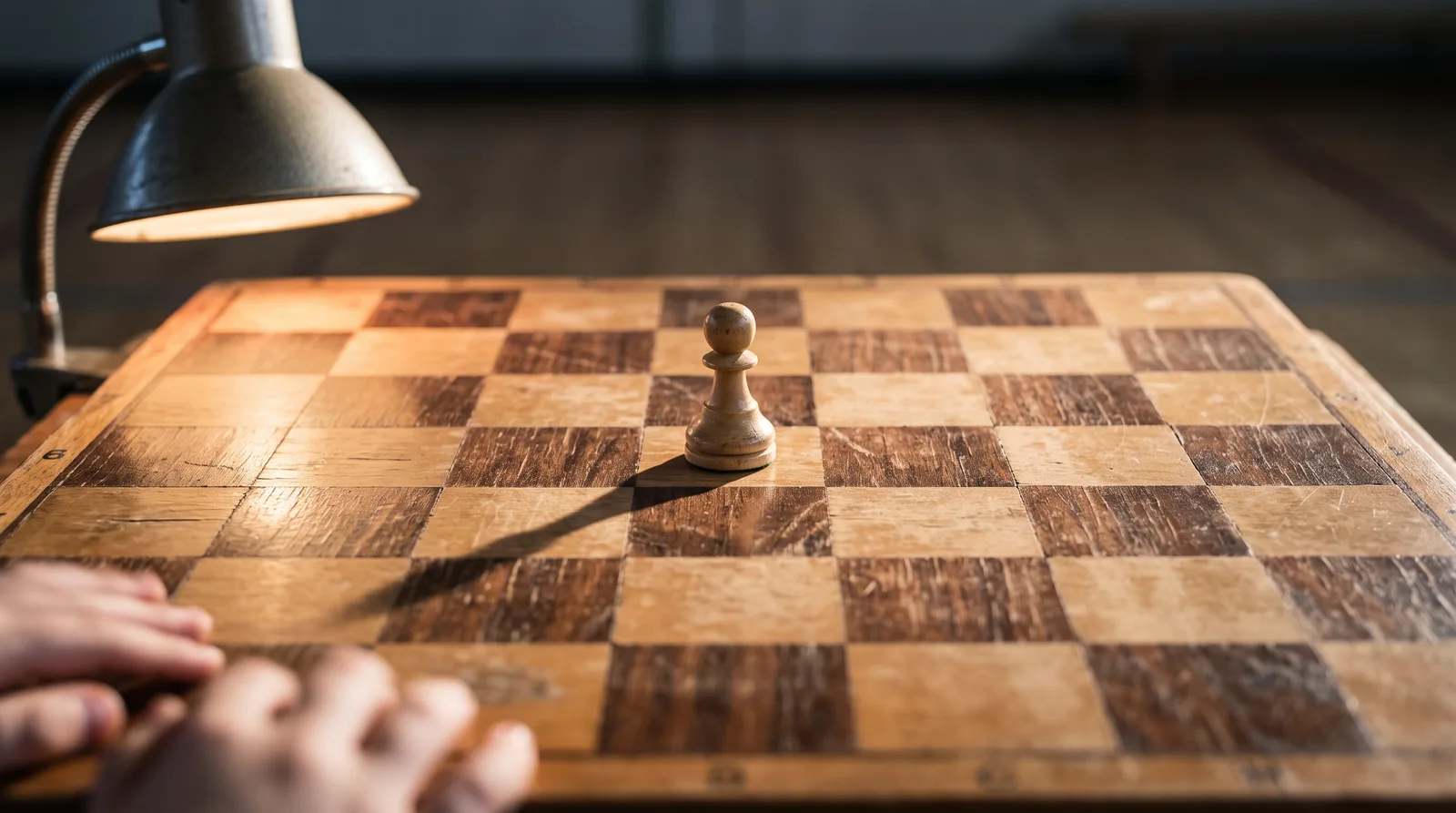
You volunteered, someone handed you a bag of chess sets, and now you have twelve kids ages 6–12 staring at you next Tuesday. Welcome to coaching.
The good news: you don't need to be a grandmaster. You need a plan, a calm voice, and a room where kids feel safe to make mistakes. Below is a complete 60-minute session structure you can use exactly as written for your very first practice.
The Golden Rule Before You Set Up Anything
Young beginners don't quit chess because it's hard. They quit because they were bored, embarrassed, or confused about what they were supposed to be doing at any given moment. Every decision in this practice plan is designed to solve one of those three problems.
Keep that in mind, and you'll already be ahead of most first-time coaches.
The 60-Minute Beginner Chess Practice Blueprint
0:00–0:05 — The Gathering Circle (5 minutes)
Before a single board comes out, get everyone in a circle. Introduce yourself in two sentences. Ask each kid to say their name and one word for how they're feeling. This does three things: it settles the room, it gives you a quick read on the group's energy, and it tells the kids that you notice them as people, not just players.
Set one rule out loud: "In this room, we don't laugh at mistakes — including mine." Say it, mean it, and you've already built culture.
0:05–0:20 — One Concept, Taught Actively (15 minutes)
Resist the urge to teach everything. Pick one concept — for a true first practice, make it how each piece moves. Don't lecture. Demo on a demonstration board or a large printed sheet, then immediately let kids try it.
A drill that actually works: Piece Parade. Clear every piece off the board except one type (say, the rook). Call out a square — "Rook to e4!" — and have kids race to move their piece there legally. Then the bishop. Then the knight (expect chaos and laughter — that's fine, lean into it). Ten minutes of this and they've touched every piece type with their hands. Muscle memory beats explanation every time with this age group.
For the last five minutes, ask: "Which piece was the trickiest? Why?" Let two or three kids answer. You've just run a debrief without calling it one.
0:20–0:40 — Free Play With a Constraint (20 minutes)
Now they play — but not open games, which can stall out and frustrate beginners fast. Give them a constraint game instead.
Try Pawn Wars: each player gets only their eight pawns, pieces off the board, and the goal is to get any pawn to the other side first. It's fast, decisive, and teaches pawn structure, advance, and capture without overwhelming a brand-new player. Most kids can play three or four rounds in this window.
Walk the room during this time. Crouch to eye level. Ask "What are you thinking about doing next?" rather than pointing out mistakes. You're coaching, not correcting — the difference matters enormously at this age.
0:40–0:50 — Puzzle of the Day (10 minutes)
Regroup. Put one simple puzzle on the demo board — think one-move checkmates or "can you capture the queen safely?" Print it on cards if you can, one per player, so everyone works simultaneously rather than watching one kid think.
Give them 90 seconds of silent thinking first. Then take answers. When someone gets it right, ask them to explain why it works. Teaching it out loud is how the knowledge sticks.
0:50–0:58 — Reflection Round (8 minutes)
Back to the circle. Ask three questions, popcorn-style:
- "What's one thing you learned today?"
- "What's something that confused you?"
- "What do you want to try next time?"
Write down their answers — even just on your phone. These become your planning notes for practice two. When kids see you acting on what they said, they trust you. That trust is what makes them come back.
0:58–1:00 — Send-Off (2 minutes)
Assign a tiny mission for the week: "Before next practice, try to explain how the knight moves to someone at home." That's it. No homework sheets, no pressure — just a thread connecting this week to the next.
What to Do When It Goes Sideways
It will go sideways. A piece will get lost. A kid will flip the board. Someone will insist pawns can move backward because their grandpa plays that way.
Your job is to stay calm and curious, not certain and authoritative. "That's interesting — let's look it up together" is a complete and correct coaching response.
One More Thing
The 60-minute plan above is a starting point, not a cage. The best coaches learn to read the room — when to stretch the drill that's clicking, when to cut the activity that isn't. That instinct develops with practice.
If you want the full framework — covering game fundamentals, age-appropriate drills, child development principles, and how to build a team culture that keeps kids in the game for years — that's exactly what my Put Me in Coach: Youth Chess Team program is built to give you. But for Tuesday? You've got everything you need right here.
Go coach.

Want to go deeper than a blog post?
Put Me in Coach™ - Youth Field Hockey
A complete coaching certification experience for youth field hockey coaches at every level — from first-time volunteers to seasoned educators — covering game fundamentals, child development, player safety, and team culture so every kid thrives on and off the field.
Start learning — $24.99/mo